Consultation Brief
PDF copySEOS Year 2 Computing Revisions
Draft for faculty feedback, School of Earth and Ocean Sciences, University of Victoria
Basis: The Year 2 revision began as a December 2024 faculty retreat action item and was developed through the 2025-2026 academic year. Earlier versions have been discussed at undergraduate committee and department meetings. This brief focuses on the remaining implementation choices and program-specific complications.
Summary
Computing preparation is split across pieces of EOS210 and EOS261, course roles overlap, contact hours are high in several programs, and later preparation for EOS325, EOS340, and upper-level modelling work is harder to explain than it should be.
- Core packageEOS230 becomes the main SEOS Year 2 computing and data-analysis route; CSC110 remains the other recognized programming entry point.
- Course changesEOS210 and EOS230/GEOG230 run as 3-0-0, EOS240 access broadens to all EOS programs, EOS261 leaves Year 2, and EOS361 becomes the named third-year Climate Science successor.
- Open decisionsChemistry and Ocean Sciences, Physical Geography and Earth and Ocean Sciences, EOS240 delivery, EOS230 learning outcomes, and EOS361 scope still require faculty consultation.
One high-level goal is to standardize the progression of computing across our programs: first-entry programming through one of CSC110 or EOS230, second-level modelling or computational work through EOS325 or MATH/PHYS248, and third-level applications in various fourth-year courses.
The prerequisite cleanup is the central constraint. If EOS325 only accepts EOS230 or CSC110, then Chemistry and Ocean Sciences and Physical Geography and Earth and Ocean Sciences need explicit pathway decisions. These should be treated as structural curriculum choices, not advising workarounds.
Contents
Section 1
Problem
The Year 2 issue is not a single course substitution. It is a linked curriculum problem involving computing, course identity, workload, and prerequisite preparation across several SEOS-related programs.
- Computing is fragmented between the EOS210 lab and the EOS261 tutorial instead of delivered through a clear Year 2 course.
- Course roles are not cleanly separated, especially across EOS261, EOS240, EOS321, and EOS460.
- Our programs already carry heavy Year 2 contact hours, so any improvement must avoid simply adding more scheduled time.
- Current prerequisite patterns make later preparation for EOS325, and upper-level modelling and climate work less explicit than it should be.
- The computing progression across programs is not standardized: students can reach programming, modelling, and fourth-year computational applications through routes that are hard to compare across programs.
The proposal is meant to clarify roles, reduce duplication, and make course progressions easier to follow. It is not meant to force every program into the same template.
Section 2
Proposal Package
Read the proposal as a package. The individual edits only work if computing preparation, course roles, contact hours, and downstream prerequisites are handled together.
| Area | Proposed change | Rationale | Status |
|---|---|---|---|
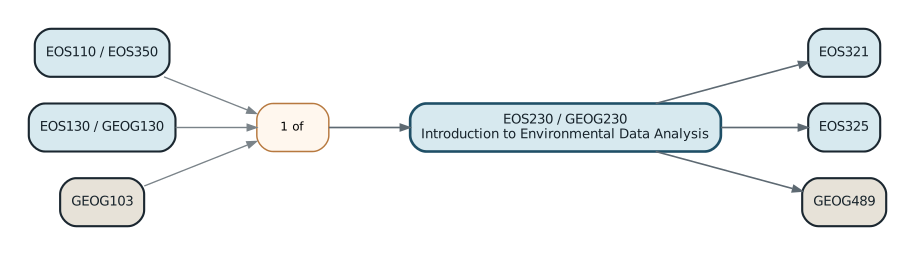
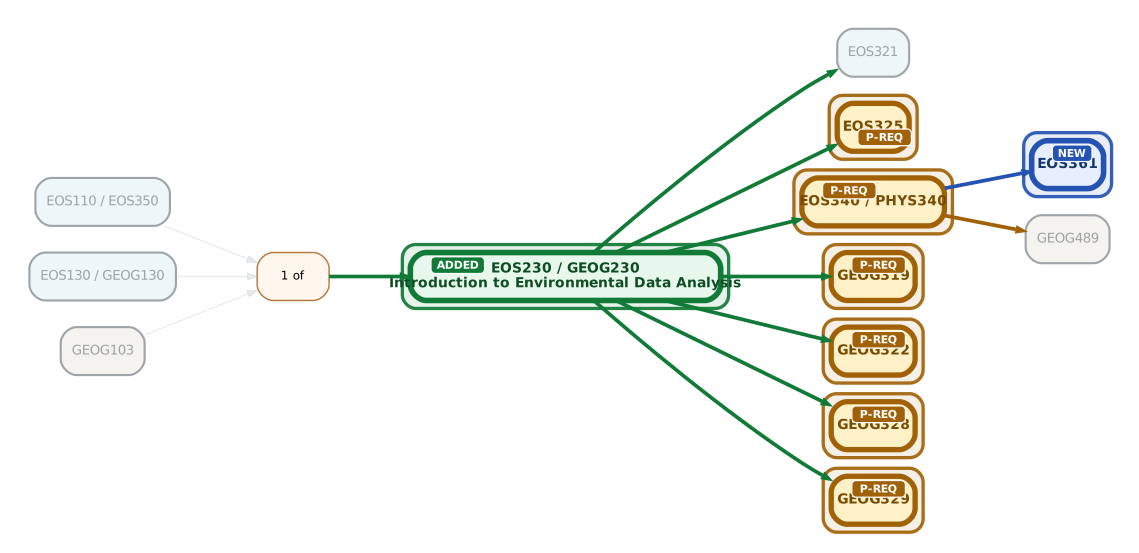
| Year 2 computing | EOS230 becomes the main SEOS Year 2 computing and environmental data-analysis entry point. CSC110 remains the other recognized first programming route. | Replaces fragmented preparation with a named computing route and supports a standard progression from programming to modelling to fourth-year computational applications. See Figure 2. | Working direction |
| EOS230/GEOG230 delivery | Remove the lab/tutorial component and run the course as 3-0-0. | Reduces scheduled Year 2 time while keeping the course as the computing entry point. See Figure 2. | Implementation option |
| EOS210 | Remove the lab/tutorial component and run the course as 3-0-0. | Computing moves to a clearer Year 2 entry point, and contact hours decrease. | Working direction |
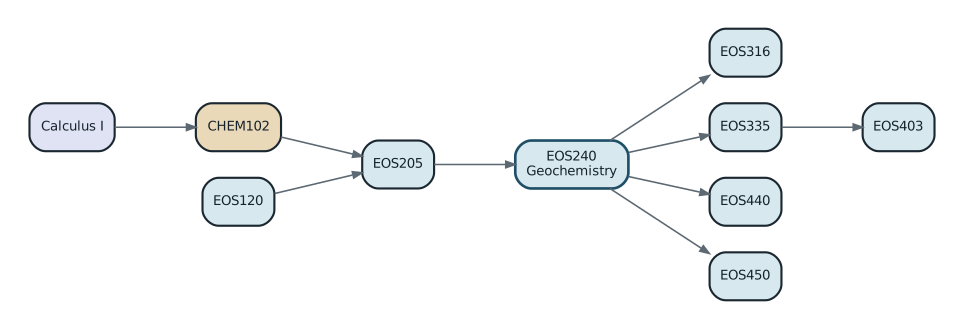
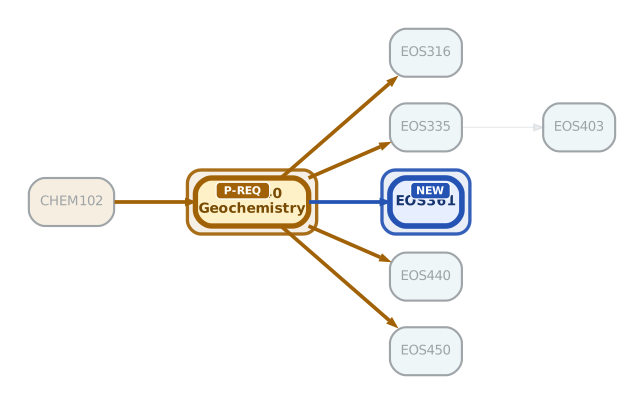
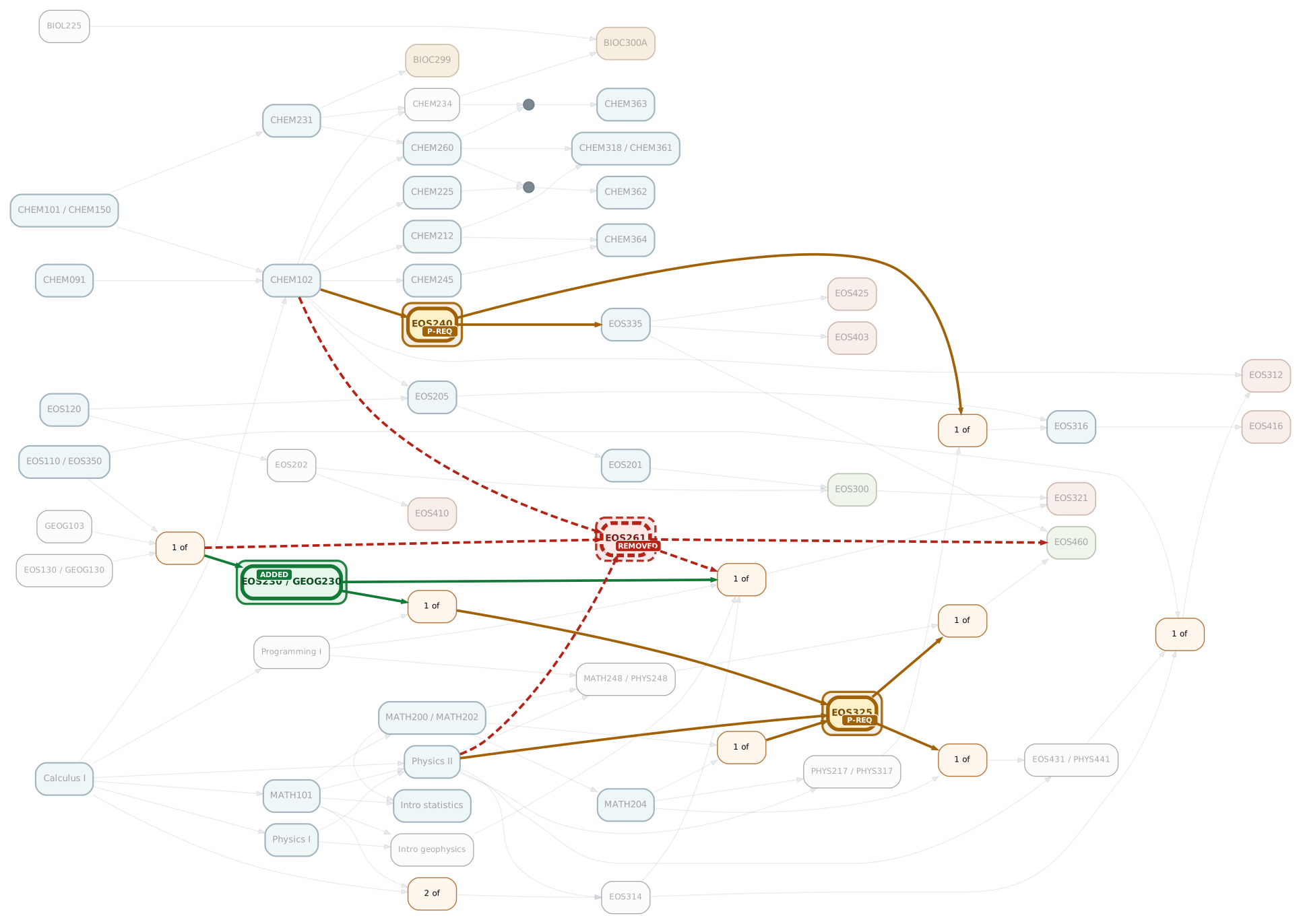
| EOS240 access | Reduce prerequisites to CHEM102 only. | Broadens access for all EOS programs. EOS240 is currently available only to programs with EOS205 mineralogy, so the prerequisite scope change is needed before the course can serve the wider Year 2 role. See Figure 3. | Working direction |
| EOS240 delivery | Consider moving from 3-3-0 to 3-0-0. | Would reduce Year 2 contact hours, but requires a course-design decision. See Figure 3 for the access assumption. | Implementation option |
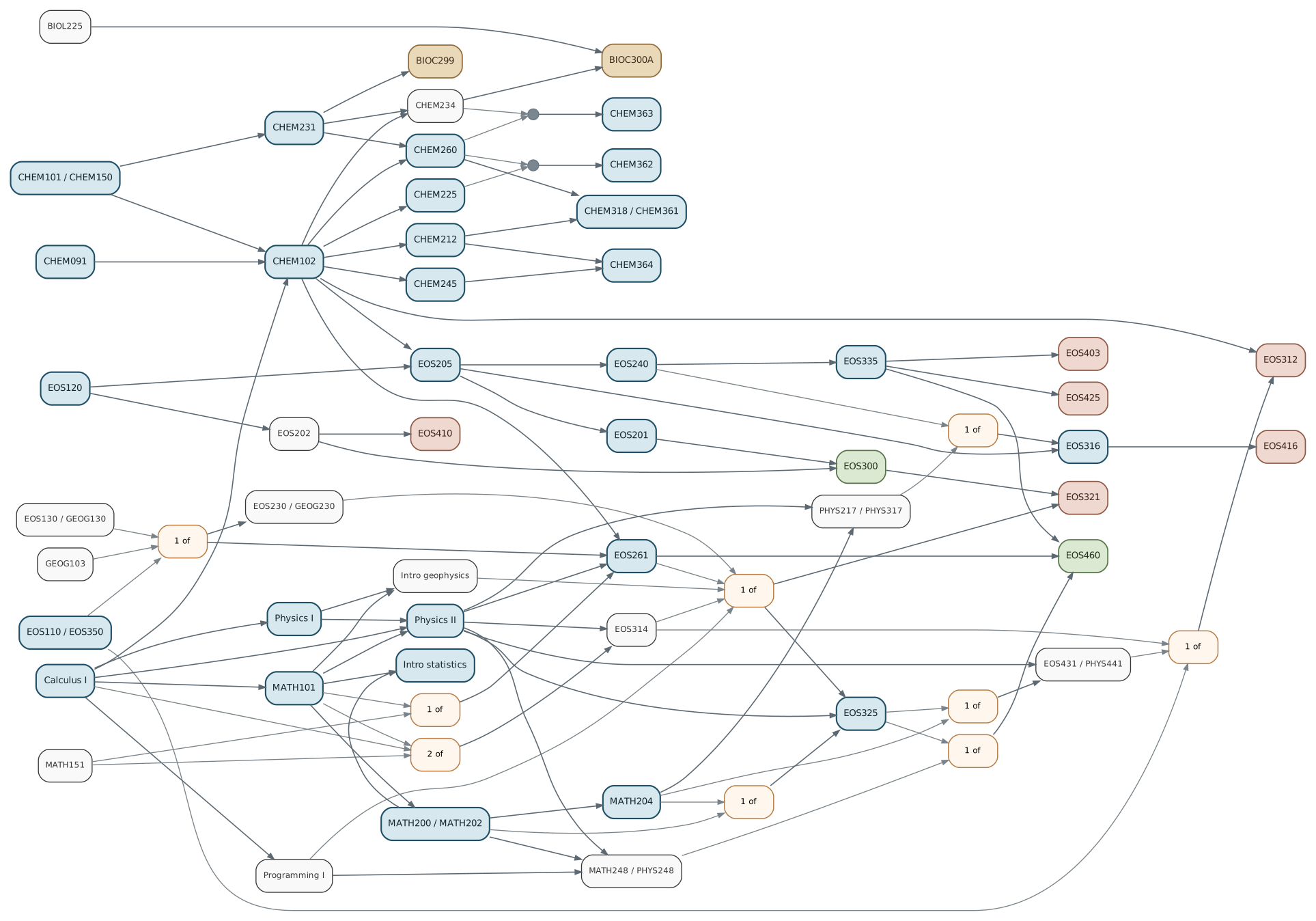
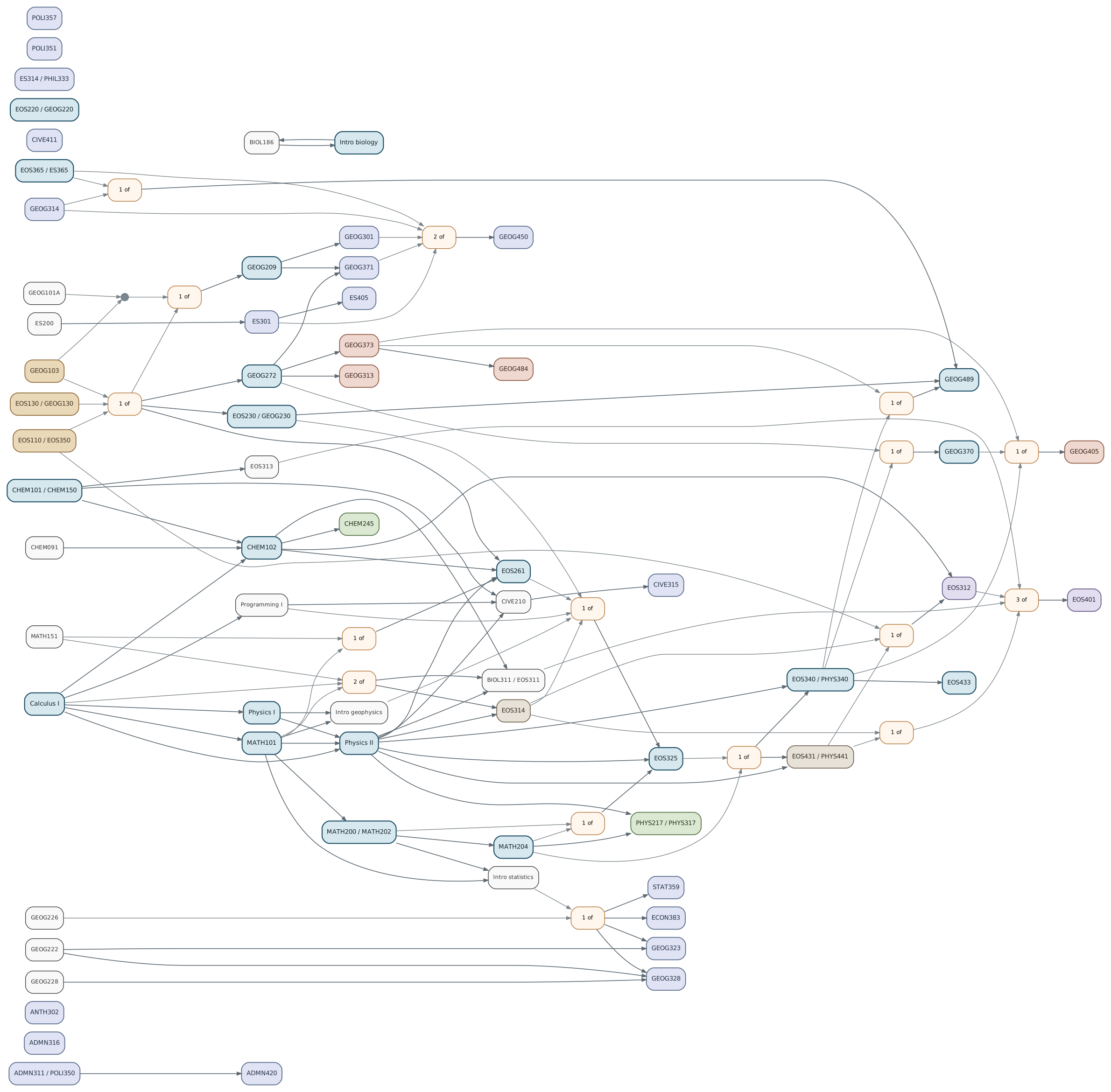
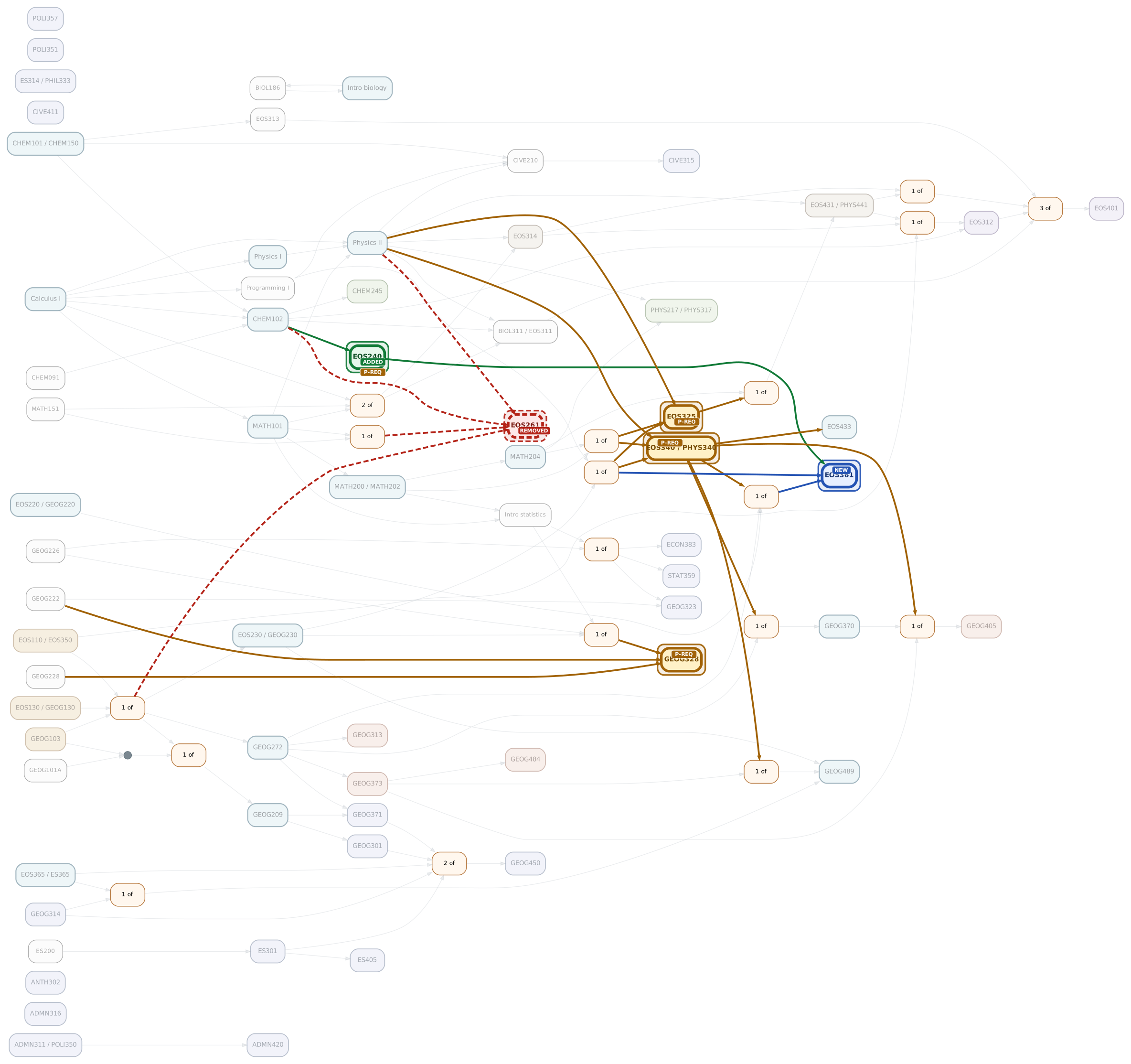
| EOS261 | Remove the course from Year 2. | Clears space in Year 2. Advanced climate-system material moves to year 3. See Figure 1. | Working direction |
| EOS361 | Create a third-year Climate Science successor, provisionally Climate-System Science, with prerequisites of one of EOS230 or CSC110, EOS240, and one of EOS220, EOS340, or GEOG272. | Gives advanced climate-system material an explicit upper-level home. See Figure 1. | Working direction |
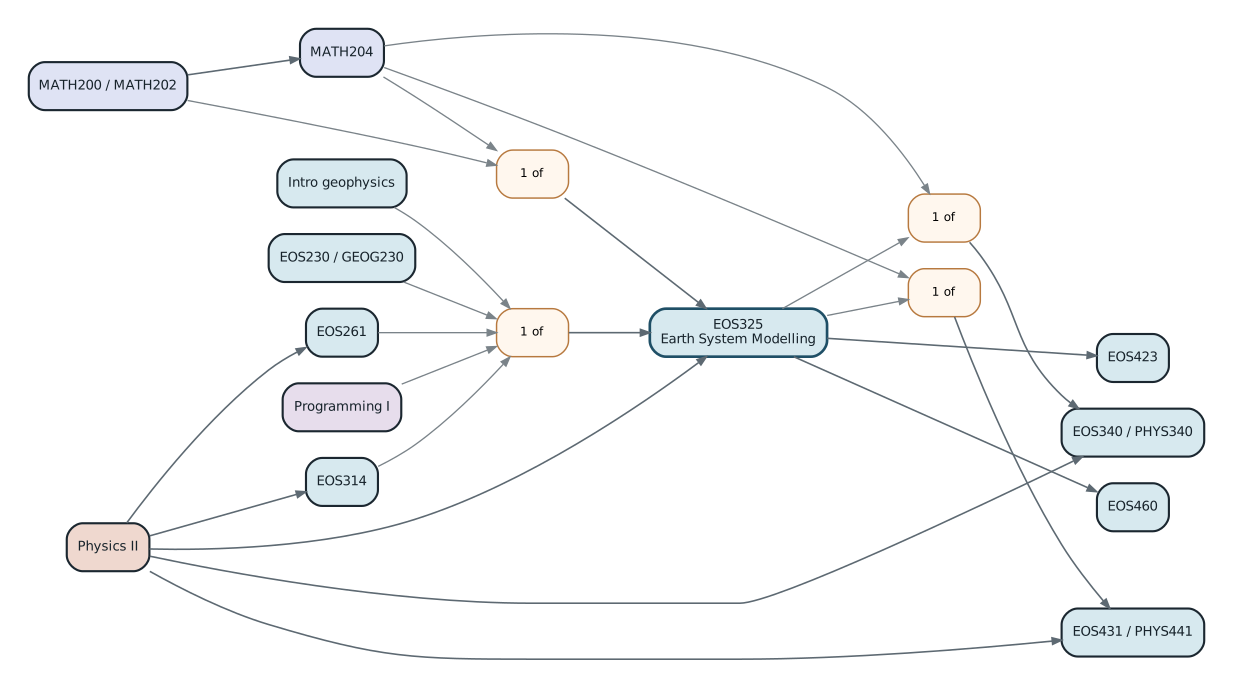
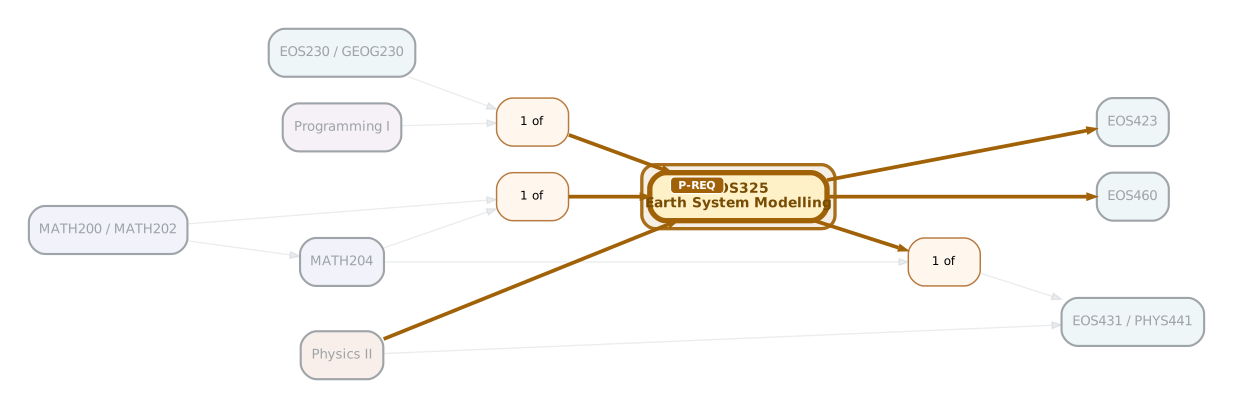
| EOS325 prerequisite | Revise the computing prerequisite to one of EOS230 or CSC110. | Makes the Year 2 computing route feed directly into later modelling work. See Figure 4. | Working direction |
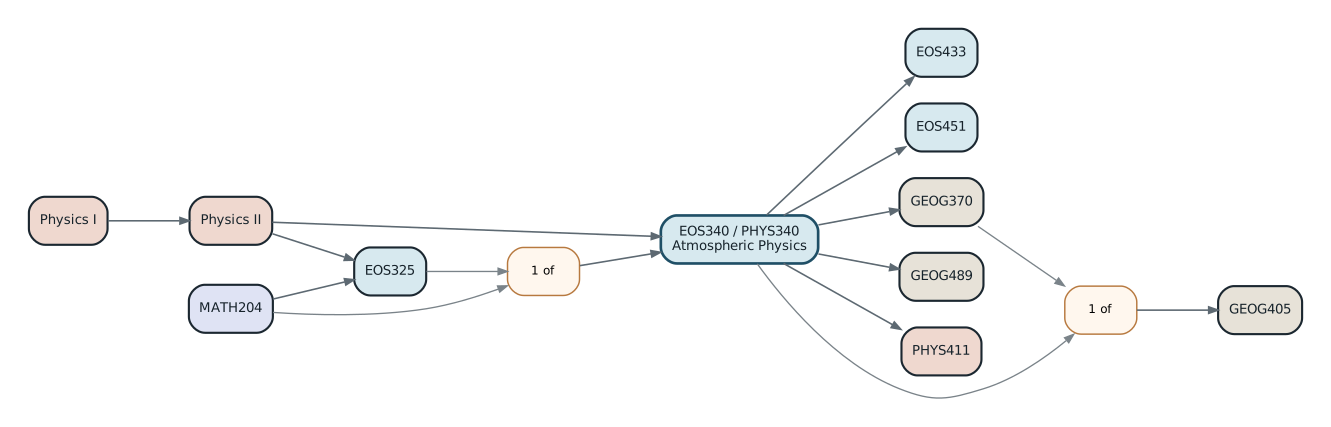
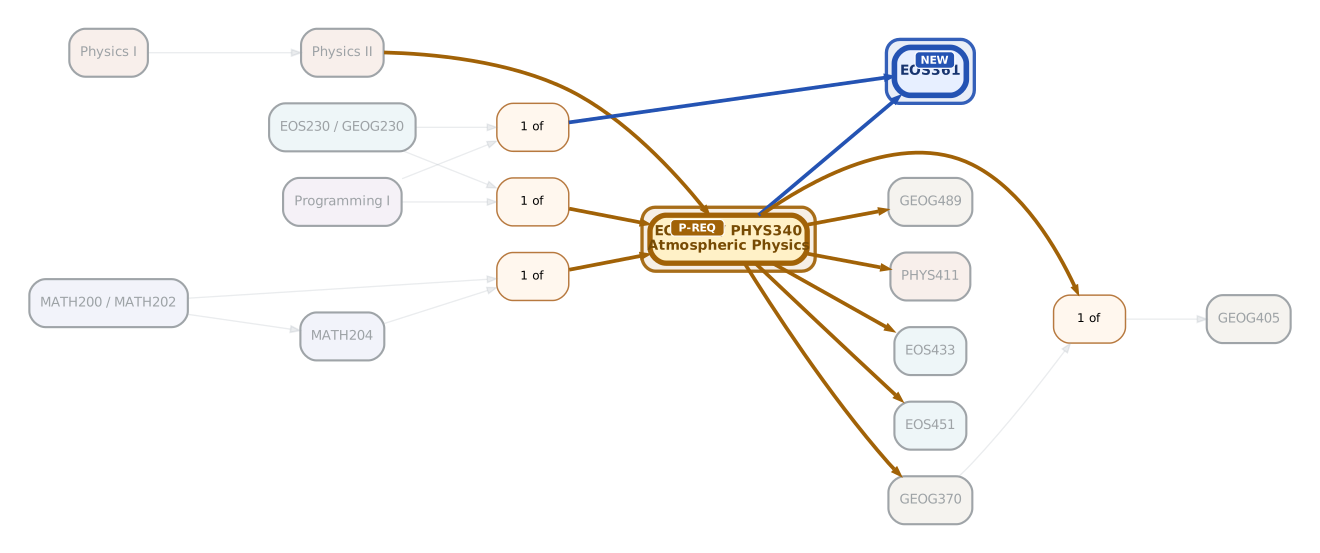
| EOS340 prerequisite | On the non-physics route, require one of MATH202 or MATH204 plus one of EOS230 or CSC110. | Cleans up the non-physics computational gateway without dropping the calculus requirement. See Figure 5. | Working direction |
The two physics-based programs are not part of the main redesign because they already rely on CSC110. The package is primarily for programs where Year 2 computing is fragmented or delayed.
The intended computing sequence is: one of CSC110 or EOS230 as the first programming experience, then EOS325 or MATH/PHYS248 as the second-level modelling or computational course, then fourth-year courses that use those skills in disciplinary contexts.
Section 3
Program Effects and Prerequisites
Not every program receives the same treatment. The main distinctions are between the direct EOS261-to-EOS230 cases, the Climate Science case, the Physical Geography and Earth and Ocean Sciences design choice, and the Chemistry and Ocean Sciences recommendation.
| Program | Current situation | Proposed treatment | Unresolved issue |
|---|---|---|---|
| Earth Sciences | EOS261 currently sits in Year 2. | Replace EOS261 with EOS230; apply the wider prerequisite cleanup for EOS240, EOS325, and EOS340. See Figure 6. | No program-specific issue identified. |
| Biology and Earth Sciences | EOS261 currently sits in Year 2. | Replace EOS261 with EOS230; apply the wider prerequisite cleanup for EOS240, EOS325, and EOS340. See Figure 7. | No program-specific issue identified. |
| Chemistry and Earth Sciences | EOS261 currently sits in Year 2. | Replace EOS261 with EOS230; apply the wider prerequisite cleanup for EOS240, EOS325, and EOS340. See Figure 8. | No program-specific issue identified. |
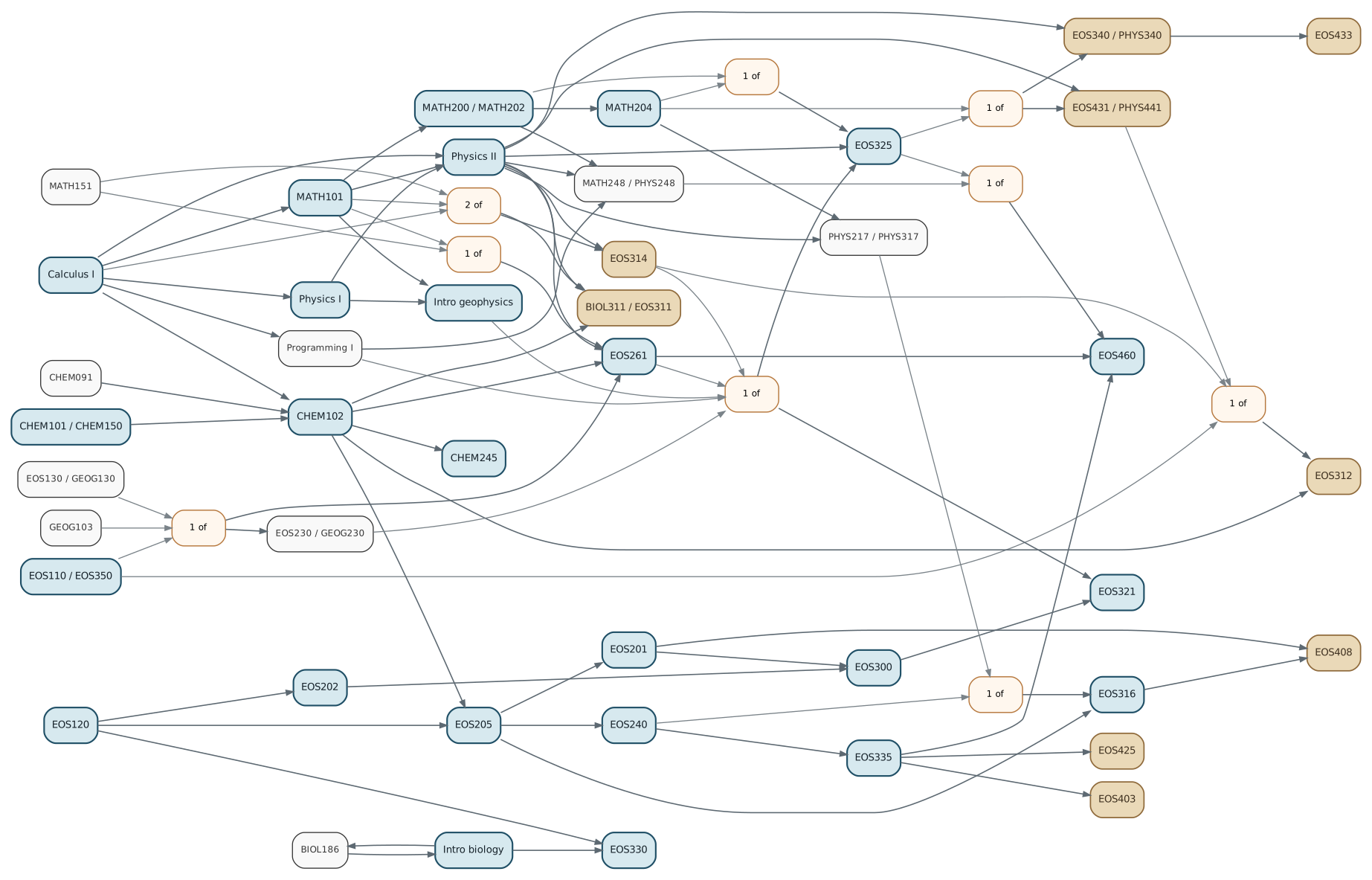
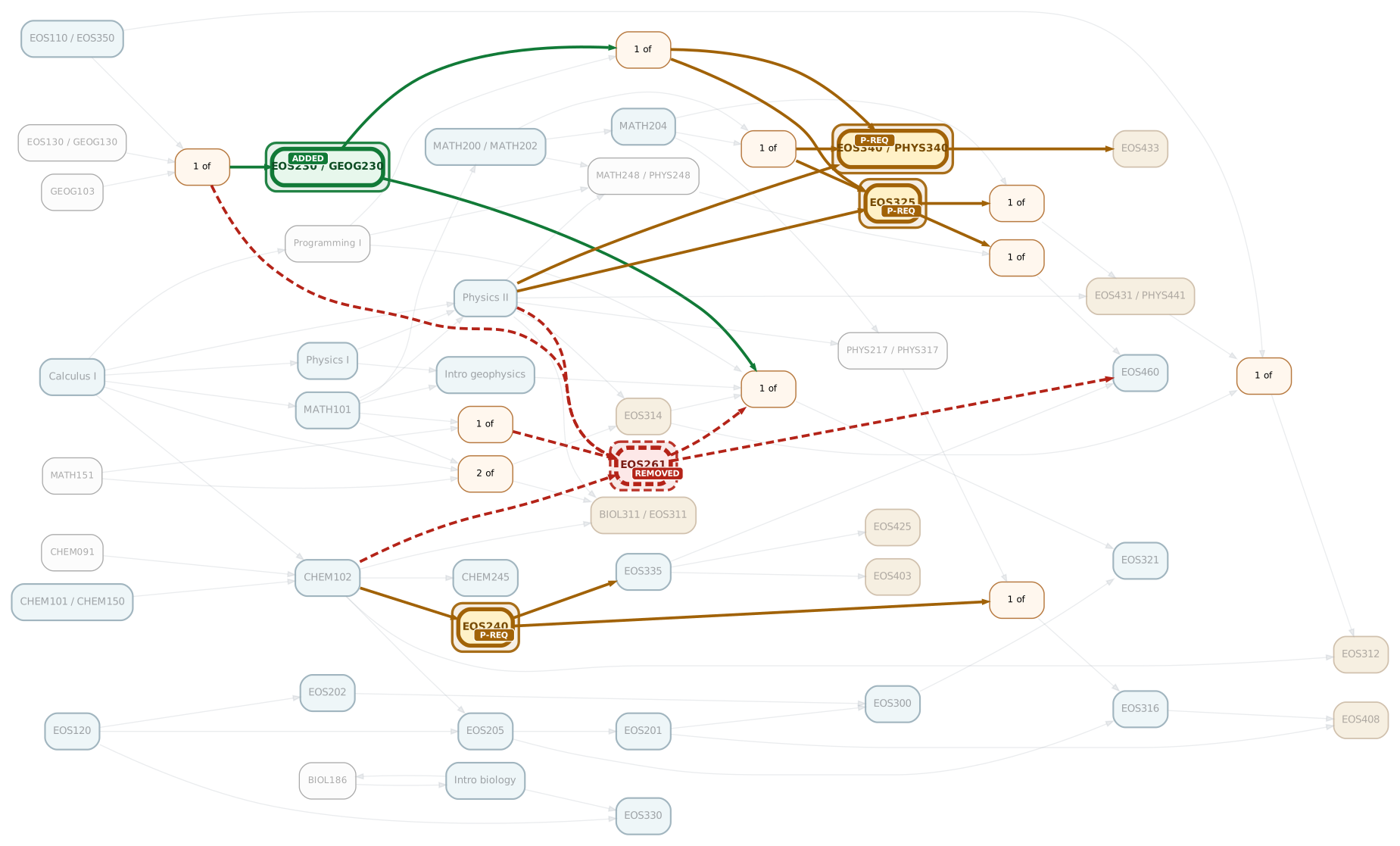
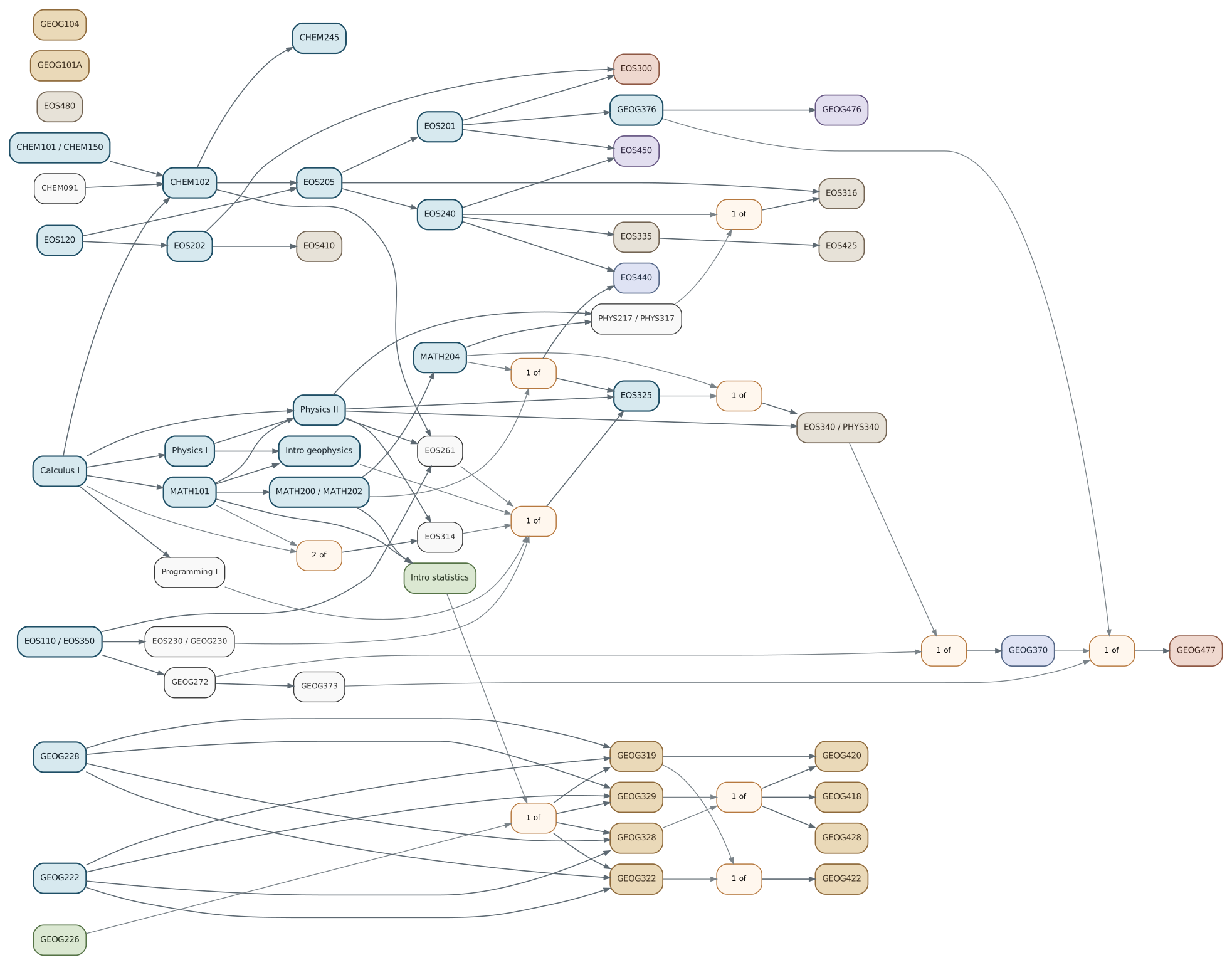
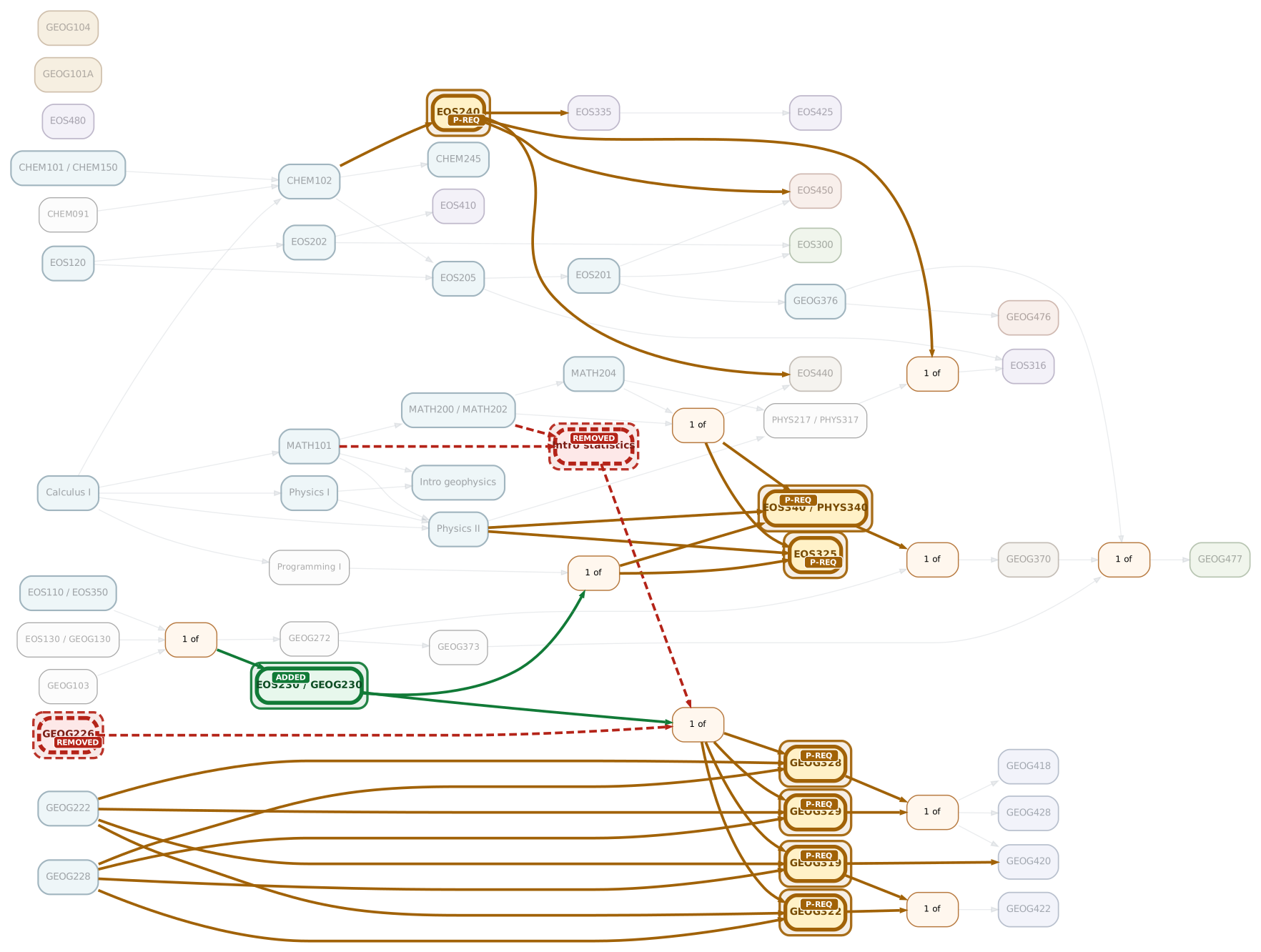
| Physical Geography and Earth and Ocean Sciences | The current program does not contain EOS261. Year 2 is already crowded, so adding EOS230/GEOG230 requires a real program-design choice rather than a simple replacement. | Three options remain: replace CHEM245 with EOS230; use the remaining 1.5 Year 2 elective unit for EOS230; or replace the Year 2 statistics-options block with EOS230. The undergraduate committee is against the first option: dropping CHEM245 from the combined Geography and Earth and Ocean Sciences pathway while keeping it in the Earth Sciences major could push students away from the Earth Sciences major. The third option is favoured because it gives students the programming route while preserving the rest of the Year 2 structure. See Figure 9. | The favoured option requires Geography follow-through: GEOG319, GEOG322, GEOG328, and GEOG329 would need to accept EOS230 alongside GEOG226 or 200-level STAT. |
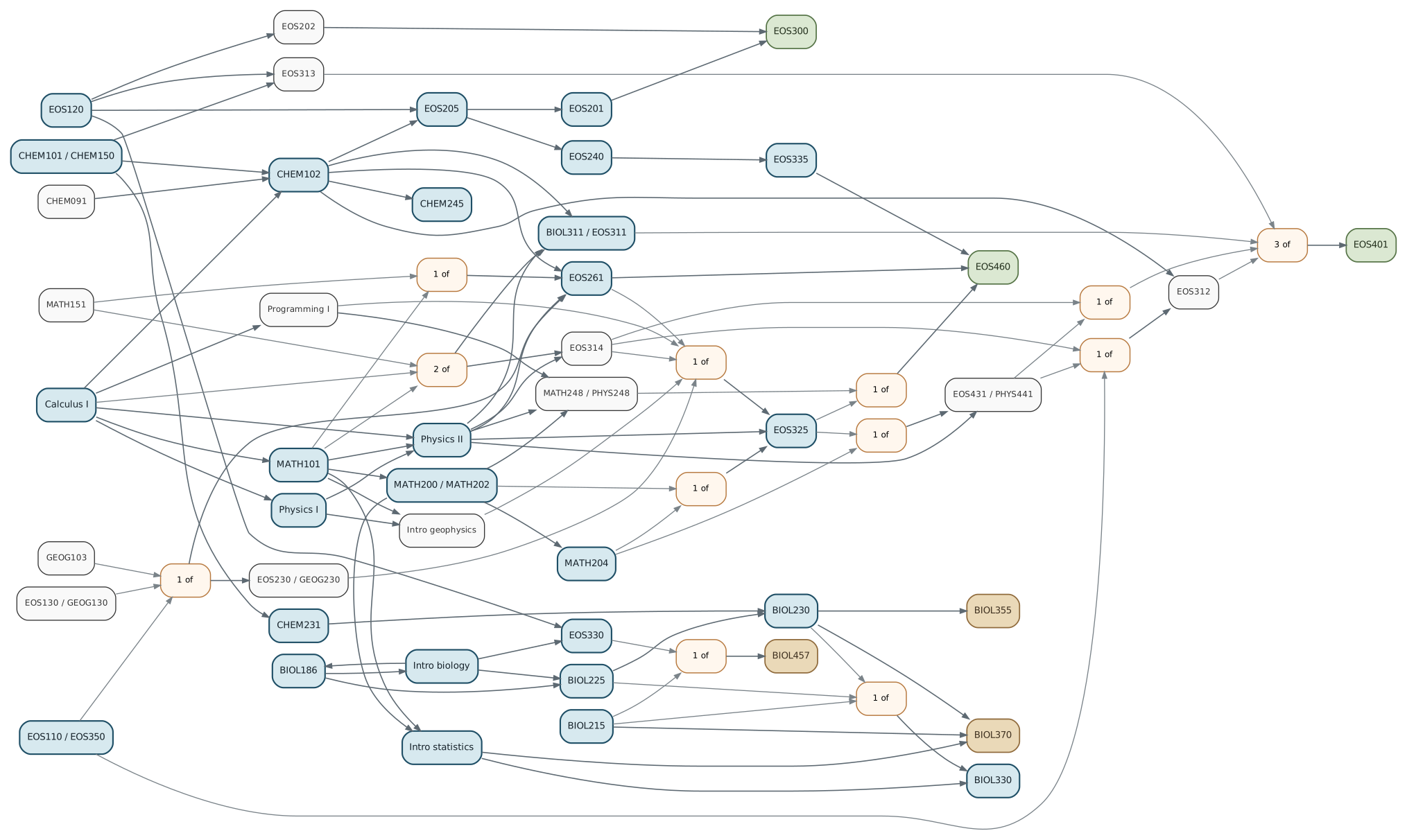
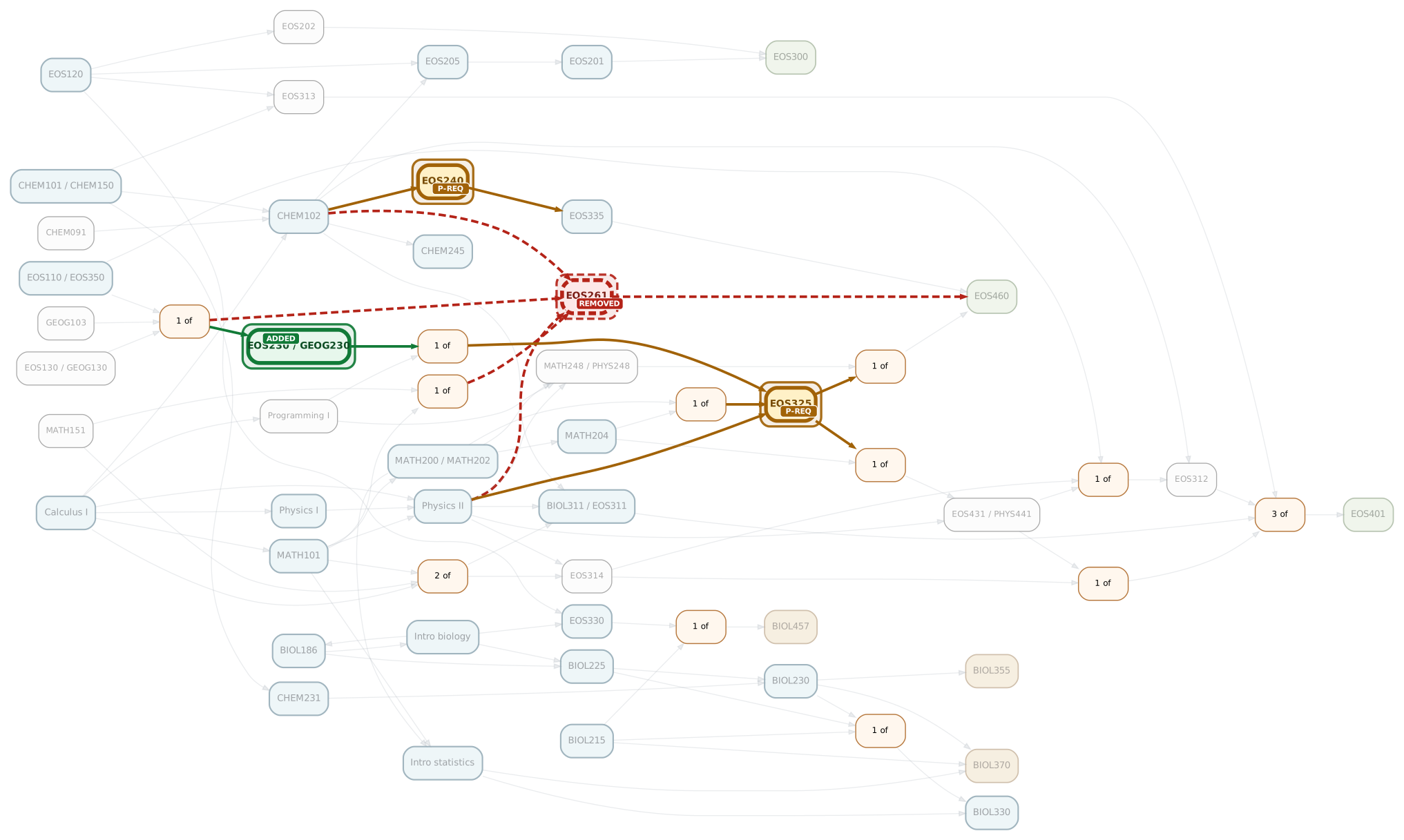
| Climate Science, Physical Climate Science stream | EOS230 is already present in the approved structure. | Remove EOS261 from Year 2, bring EOS240 into Year 2, and use EOS361 as the named third-year successor to the advanced climate-system role. See Figure 10. | The main open issues are EOS240 delivery mode and the final scope of EOS361. |
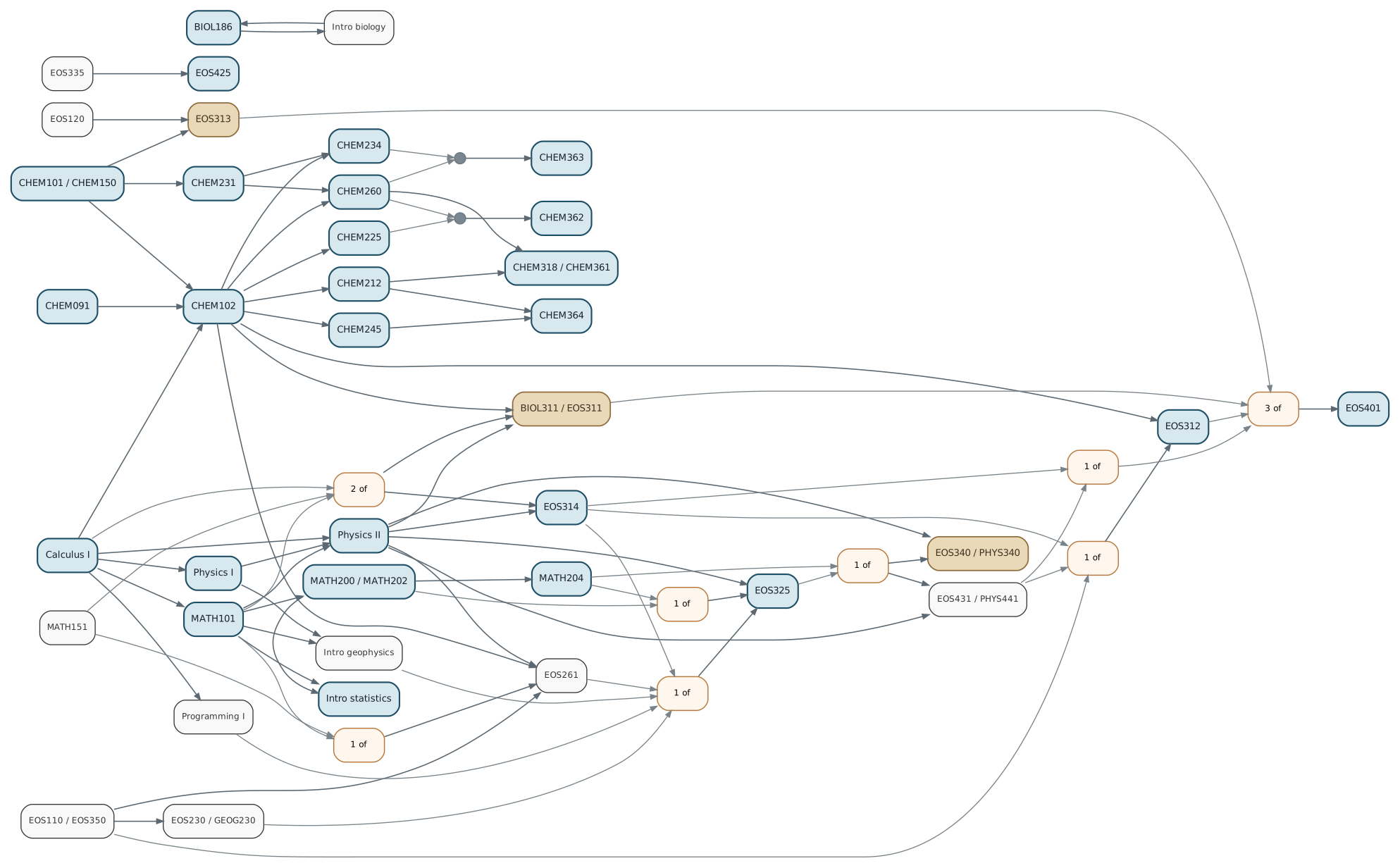
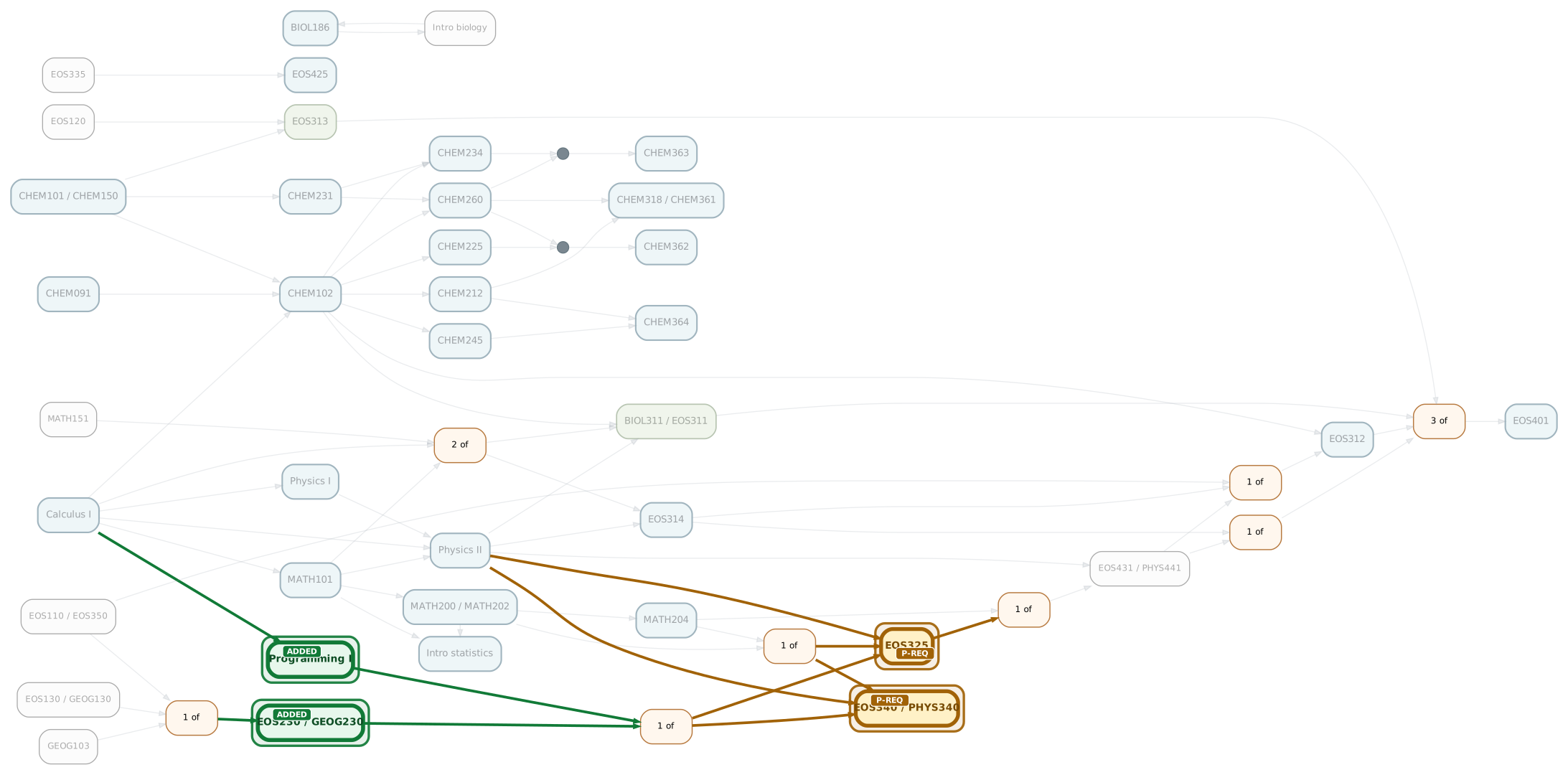
| Chemistry and Ocean Sciences | The current structure does not use EOS261, and years 1 and 2 are designed currently to match the Chemistry program. | Recommended change: add a one-of requirement, CSC110 or EOS230, to the program. This keeps years 1 and 2 almost exactly aligned with Chemistry while making the computing progression available. See Figure 11. | The current program uses EOS314 as the entry point into EOS 325, which preserves the year 1 and 2 match to Chemistry, but does not provide the same progression of computing skills that other programs will offer. |
| Physics and Earth Sciences (Geophysics); Physics and Ocean-Atmosphere Sciences | These programs already rely on CSC110. | No substantive Year 2 change in this proposal. | None. |
Prerequisite Pathway Check
The table checks proposed prerequisite pathways against named courses in each affected program. Permission-of-instructor or permission-of-school clauses are not treated as solving a prerequisite trap; students should be able to reach each named required course through the program's own required curriculum.
| Program or group | Changed required courses checked | Result | Decision or verification needed |
|---|---|---|---|
| Earth Sciences | EOS230, EOS240, EOS325, EOS340 | No new trap found under the proposed assumptions. EOS230, CHEM102, the relevant MATH courses, and the relevant PHYS pathways are all present in the named program structure. | None. |
| Biology and Earth Sciences | EOS230, EOS240, EOS325 | No new trap found. The proposed EOS230 route replaces the current EOS261 computing route into EOS325. | None. |
| Chemistry and Earth Sciences | EOS230, EOS240, EOS325 | No new trap found. The program already contains the chemistry, math, physics, and Earth-science prerequisites needed for the proposed route. | None. |
| Physical Geography and Earth and Ocean Sciences | EOS230, EOS240, EOS325, EOS340 | No trap if EOS230 is added. The favoured route replaces the current one-of statistics block with EOS230, which preserves the remaining elective space and supplies the computing preparation needed for the proposed EOS325/EOS340 prerequisites. | Confirm whether Geography will add EOS230 to the statistics prerequisite options for GEOG319, GEOG322, GEOG328, and GEOG329. |
| Climate Science, Physical Climate Science stream | EOS230, EOS240, EOS325, EOS340, EOS361 | No trap in the proposal. EOS230 is already named in Year 2, CHEM102 supports the proposed EOS240 entry point, and EOS361 has reachable pathways through EOS220, EOS340, or GEOG272. | Confirm the final scope and calendar wording for EOS361. |
| Chemistry and Ocean Sciences | EOS325, EOS340, and the recommended one-of CSC110 or EOS230 | No trap if the program adds one of CSC110 or EOS230. The CSC110 route is directly viable, and students who want the EOS route can elect the background needed for EOS230. | Place the one-of requirement intentionally so the program almost keeps its pure Year 1 and 2 Chemistry alignment while enabling the same computing progression used elsewhere. |
| Physics-based programs | EOS325/EOS340 cleanup where relevant | No trap identified. These programs already use CSC110 as their computing path. | None. |
Note: Chemistry and Ocean Sciences should be handled through intentional pedagogical choices that maximize the quality of the program for students. The program has had 26 total students: 22 took EOS110 or EOS130, and 3 of the remaining 4 took EOS120. The recommendation is to add one of CSC110 or EOS230 to the program. That keeps years 1 and 2 almost exactly the same as Chemistry, enables the planned computing progression, and avoids needing named EOS110/EOS120/EOS130 prerequisites for EOS230 because CSC110 is a viable option while the EOS route remains available by student choice.
Section 4
Contact Hours
Contact hours are calculated from the SEOS Curriculum Atlas. The proposal column assumes EOS210 and EOS230/GEOG230 run as 3-0-0. The final column shows the additional effect if EOS240 also moves from 3-3-0 to 3-0-0.
| Program | Current Year 2 | Proposed Year 2 | Proposed Year 2 if EOS240 becomes 3-0-0 |
|---|---|---|---|
| Earth Sciences | 24-29 hrs/wk/term | 22-27 hrs/wk/termLower by 2 | 20.5-25.5 hrs/wk/termLower by 3.5 |
| Biology and Earth Sciences | 26.5-28.5 hrs/wk/term | 25.5-27.5 hrs/wk/termLower by 1 | 24-26 hrs/wk/termLower by 2.5 |
| Chemistry and Earth Sciences | 26-28 hrs/wk/term | 25-27 hrs/wk/termLower by 1 | 23.5-25.5 hrs/wk/termLower by 2.5 |
| Physical Geography and Earth and Ocean Sciences | 23.5-27.5 hrs/wk/term | 22.5-26.5 hrs/wk/termLower by 1 | 21-25 hrs/wk/termLower by 2.5 |
| Climate Science, Physical Climate Science stream | 21.5-25 hrs/wk/term | 21-24.5 hrs/wk/termLower by 0.5 | 19.5-23 hrs/wk/termLower by 2 |
| Chemistry and Ocean Sciences | 21-27.5 hrs/wk/term | Route-dependentOne-of CSC110/EOS230 will increase contact hours. | Route-dependentNo EOS240 effect |
| Physics and Earth Sciences (Geophysics) | 25 hrs/wk/term | 25 hrs/wk/termNo change | 25 hrs/wk/termNo EOS240 effect |
| Physics and Ocean-Atmosphere Sciences | 21.5 hrs/wk/term | 21.5 hrs/wk/termNo change | 21.5 hrs/wk/termNo EOS240 effect |
Takeaway: most affected programs decrease modestly under the working package, and the reductions are larger if EOS240 becomes 3-0-0. Chemistry and Ocean Sciences needs a separate placement check for the recommended one-of CSC110/EOS230 requirement. The physics-based programs do not change.
Section 5
Course Notes
EOS230
EOS230 is the proposed SEOS Year 2 computing route. Its role is to replace fragmented preparation with one course in programming, data analysis, visualization, and quantitative reasoning using Earth, ocean, atmosphere, and environmental datasets.
SEOS should define the learning outcomes it needs from this course while consulting Geography. If EOS230 is to feed EOS325 and later quantitative work, the School should codevelop the course content and outcomes rather than treating the course as a simple slot replacement. See Figure 2 and Figure 4.
The current EOS230/GEOG230 entry condition also matters. It requires 100-level MATH and one of EOS110, EOS130, GEOG103, or GEOG130. That is reachable in the direct-replacement programs and in Climate Science. For Chemistry and Ocean Sciences, adding a one-of CSC110 or EOS230 requirement makes CSC110 a viable route while still allowing students to elect the EOS-specific path.
EOS240
EOS240 should be treated as a shared foundation across Earth, Ocean, and Atmospheric sciences. It already serves most SEOS programs, and this proposal would add it to Climate Science. Its objectives therefore need to support solid-Earth, environmental geochemistry, ocean, climate, biogeochemistry, geography-adjacent, and modelling pathways.
The prerequisite change is necessary because EOS240 is currently available only to programs that include mineralogy through EOS205. Reducing the entry condition to CHEM102 broadens access so all EOS programs can use the course.
The current course description already uses an Earth-system frame: thermodynamics, equilibrium, mass balance, oceans, atmosphere, and solid Earth. Consultation should focus on whether that frame is broad enough for the expanded role, and whether modest learning-objective revisions are needed. See Figure 3.
EOS361
EOS361, provisionally titled Climate-System Science, is the proposed third-year successor to the advanced climate-system role now associated with EOS261. It should carry material that should not remain in Year 2 after EOS240 and EOS230 take clearer foundation roles. The working prerequisite structure is one of EOS230 or CSC110, EOS240, and one of EOS220, EOS340, or GEOG272. An recommended future action item is to identify which programs can fit EOS361 as a required or optional course, and which later courses may use it as a prerequisite. See Figure 1.
Section 6
Atlas Mockups
The Atlas figures compare the current approved structure with local proposal mockups. They are support material for the curriculum argument, not a separate proposal.
Graph labels are consistent: ADDED marks a course added to a program, REMOVED marks a course removed from a program, P-REQ marks a changed prerequisite pattern, and NEW marks a newly proposed course. Select any graph to inspect it in the viewer. Course nodes open the Curriculum Atlas where a course page exists; proposed EOS361 carries hover context but no Atlas page yet.
The proposal mockups model EOS240 with CHEM102 only, EOS325 with one of EOS230 or CSC110, and the non-physics route into EOS340 as one of MATH202 or MATH204 plus one of EOS230 or CSC110.
Course-Level Comparisons
These figures isolate the proposal-affected courses so that changes in course role can be distinguished from changes in prerequisite structure.
Current Approved Structure
Proposal Mockup
Current Approved Structure
Proposal Mockup
Current Approved Structure
Proposal Mockup
Current Approved Structure
Proposal Mockup
Current Approved Structure
Proposal Mockup
Program-Level Comparisons
These figures show how the proposed changes affect programs differently.
Current Approved Structure
Proposal Mockup
Current Approved Structure
Proposal Mockup
Current Approved Structure
Proposal Mockup
Current Approved Structure
Proposal Mockup
Current Approved Structure
Proposal Mockup
Current Approved Structure
Recommended Proposal
Section 7
Consultation Decisions
These are the decisions that need explicit feedback before a formal proposal is drafted.
| Decision | Working direction | Main tradeoff |
|---|---|---|
| EOS230 versus CSC110 as the entry to computing | Prefer EOS230 as the SEOS route while retaining CSC110 where it is already embedded and as the other recognized first programming course. | Local control and disciplinary alignment versus relying on an existing stable course, while keeping the broader programming-to-modelling progression tractable for students. |
| Chemistry and Ocean Sciences | Recommend adding one of CSC110 or EOS230 to the program. | Preserving a coherent Chemistry and Ocean Sciences pathway whose first two years stay close to Chemistry, while giving students an intentional route into the shared computing progression. |
| Physical Geography and Earth and Ocean Sciences | Prefer replacing the Year 2 statistics-options block with EOS230, while asking Geography to add EOS230 to the affected quantitative prerequisite options. | Cleaner preparation for later SEOS courses and a stronger student pathway versus pressure on an already crowded program and the need for Geography coordination. |
| Breadth of access to EOS240 | Use CHEM102 only as the only prerequisite. | Broader access and simpler program design versus less common Earth or ocean background at entry. |
| EOS240 delivery mode | Keep 3-3-0 as the current baseline, but evaluate 3-0-0 as the main contact-hour reduction option. | Lower scheduled hours versus preserving dedicated structured problem or lab time. |
| Scope and role of EOS361 | Keep a named third-year Climate Science successor with the stated prerequisite structure, then identify which programs can use it as a required or optional course and which courses may use it as a prerequisite. | A visible advanced home for climate-system material versus pressure to bundle wider upper-level redesign into the same proposal. |
| Upper-level courses with overlapping content | Prefer to keep the current package focused on Year 2 and direct prerequisite cleanup, while flagging broader upper-level questions for later work. | A tractable proposal versus a substantially broader restructuring exercise. |